


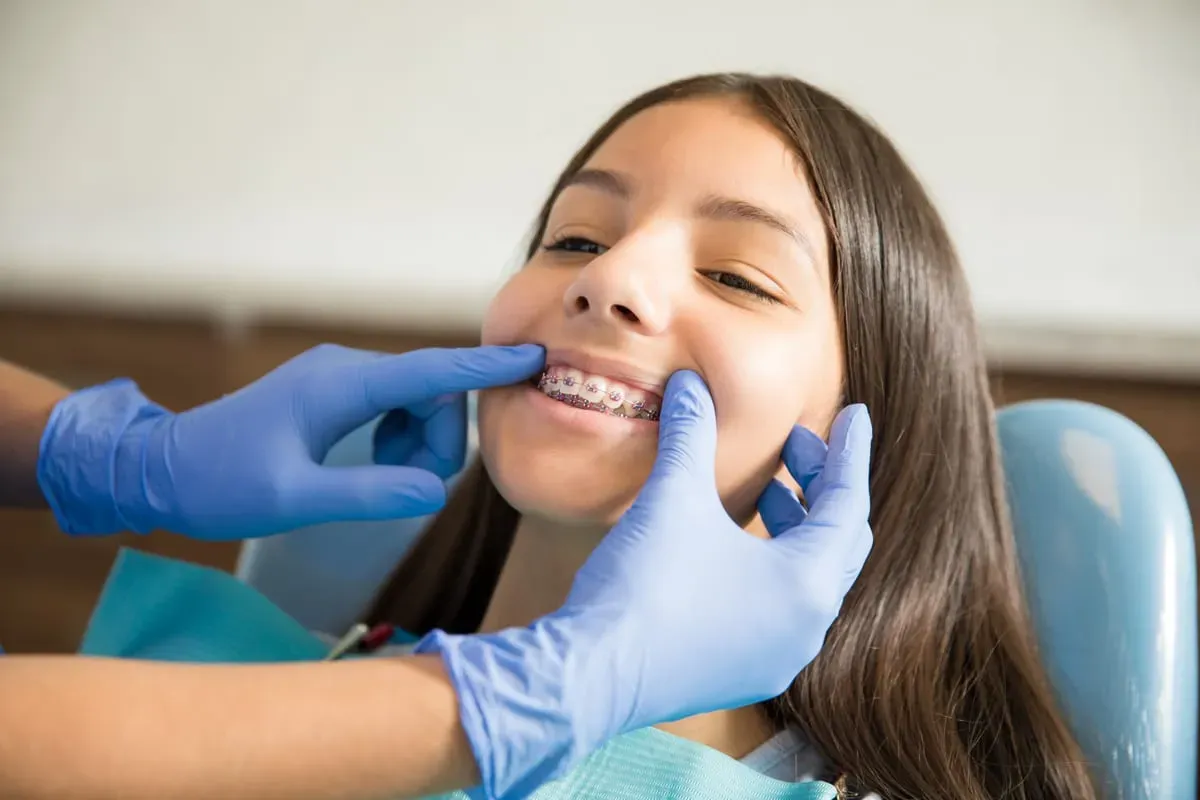
Crooked teeth, gaps, and bite problems are some of the most common concerns we hear about at our Haymarket practice, and understandably so - a misaligned smile can affect everything from chewing comfort to confidence in photos. Yet many adults and parents still picture orthodontics the way it looked decades ago: metal brackets, awkward headgear, years of discomfort. The reality today looks very different.
Modern orthodontics is faster to plan, more comfortable to wear, and far more customizable than it used to be. Whether you're considering treatment for a child whose adult teeth are coming in crooked, a teenager self-conscious about their smile, or you're an adult finally addressing a bite issue you've lived with for years, understanding the process ahead of time makes the entire experience feel far less intimidating.
This article walks through exactly what happens at each stage of orthodontic care, what influences how long treatment takes, and how to know if it's the right time to start. Our goal is simple: by the time you finish reading, you'll know what to expect at your first visit and beyond.
The First Orthodontic Consultation
Your first visit is less about commitment and more about information. We'll take a full set of digital images, including photos, bite impressions or scans, and in most cases a panoramic X-ray that shows how your teeth and jaw are positioned beneath the gumline. This gives us a complete picture of what's actually going on, not just what's visible when you smile.
From there, we sit down with you to talk through the findings in plain language. We'll point out whether the issue is primarily cosmetic spacing, a functional bite problem like an overbite or crossbite, or a combination of both. This matters because it shapes which treatment approach makes the most sense, how long correction is likely to take, and whether any preliminary work - like restorative dentistry for a damaged tooth - needs to happen first.
By the end of this appointment, you should walk away with a clear treatment plan, a realistic timeline, and pricing information. There's no pressure to decide on the spot. Many patients take the plan home, ask questions by phone, and schedule their start date once they feel ready.
Comparing Treatment Options: Braces vs. Clear Aligners
Not every case calls for the same tool. Traditional metal braces remain one of the most reliable options for complex bite corrections, especially in younger patients whose teeth are still developing. They work continuously, which can sometimes mean more efficient movement for certain cases, and they don't rely on the patient remembering to wear anything consistently.
Clear aligner systems, offered through our Invisalign program, have become a popular choice for teens and adults who want a more discreet option. Aligners are removable for eating and brushing, which many patients find easier to manage day to day, though they require discipline - results depend on wearing them for the recommended 20 to 22 hours a day.
-
Traditional braces: Best suited for complex bite issues and situations requiring precise, continuous tooth movement.
-
Clear aligners: A discreet, removable option well-suited to mild-to-moderate spacing and alignment concerns.
-
Combination plans: Some patients start with braces to correct bite issues, then transition to aligners for fine-tuning.
How Long Orthodontic Treatment Actually Takes
One of the most common questions we hear at our Haymarket office is simply, "How long will this take?" The honest answer is that it depends on the complexity of the case. Minor spacing corrections might wrap up in as little as six to nine months, while significant bite misalignment or crowding can take two years or more to fully resolve.
Age also plays a role. Adolescents going through growth spurts often respond faster to orthodontic forces because their jawbone is still developing and more responsive to gradual pressure. Adult treatment is absolutely effective, but tends to progress a bit more slowly since bone has fully matured.
Consistency matters just as much as biology. Missing scheduled adjustment appointments, not wearing elastics as directed, or inconsistent aligner wear can all extend the timeline. We build realistic checkpoints into every plan so you always know roughly where you stand and what's left to accomplish.
Adjusting to Daily Life With Braces or Aligners
The first week after getting braces placed or starting a new aligner tray is usually the hardest. Mild soreness, tooth sensitivity, and some irritation from brackets rubbing against the inside of the cheek are all normal and typically fade within a few days. Over-the-counter pain relief and orthodontic wax can make a noticeable difference during this adjustment period.
Eating habits shift a bit too. With braces, we recommend avoiding sticky candy, hard nuts, and foods like corn on the cob that can bend wires or pop off brackets. Aligner wearers have more freedom here since trays come out at mealtime, though it does mean remembering to brush before putting them back in to avoid trapping food particles against the teeth.
Oral hygiene becomes more important than ever during treatment. Brackets and wires create more surfaces for plaque to hide, so we often recommend more frequent professional dental cleanings throughout treatment to keep gums healthy and prevent decalcification marks around the brackets.
Is There a Right Age to Start Orthodontic Treatment?
The American Association of Orthodontists recommends a first orthodontic evaluation by age seven, not because every seven-year-old needs braces, but because this is when emerging bite problems and jaw growth patterns become visible enough to plan ahead. Early evaluation sometimes leads to "phase one" treatment that guides jaw development before all the adult teeth arrive, which can simplify or shorten a second phase later.
That said, orthodontics is not something you age out of. We see plenty of adult patients in their thirties, forties, and beyond who are finally addressing crowding or a shifting bite that bothered them for years. Healthy teeth and gums can move at any age, provided there's no underlying periodontal disease that needs attention first.
If you're unsure whether now is the right time, a simple way to find out is to schedule a consultation and let us take a look. There's no harm in getting an informed opinion, even if you decide to wait.
What Happens After the Braces Come Off
Finishing active treatment is a milestone worth celebrating, but it isn't quite the finish line. Teeth have a natural tendency to drift back toward their original positions, a process called relapse, which is why retainers are such a critical part of long-term success. Most patients wear a retainer full-time for several months, then transition to nighttime wear indefinitely.
We'll also take final photos and, when needed, a new set of records to confirm the bite has settled correctly. If a tooth was previously chipped, restored, or treated, this is a good time to evaluate whether any cosmetic refinement - such as teeth whitening or minor reshaping - would complete the look you've been working toward.
Routine checkups continue as normal after treatment ends. Straighter teeth are also easier to clean and maintain, which tends to support better gum health and lower cavity risk over the long run - a benefit that often outlasts the visible cosmetic change.
Key Takeaways
- Your first consultation includes full digital records and a clear, no-pressure treatment plan.
- Braces and clear aligners each suit different needs - complexity, lifestyle, and age all factor in.
- Treatment length ranges from several months to a couple of years, depending on the case.
- Retainers after treatment are essential to protect your results long-term.
- Orthodontic evaluation is valuable for children and adults alike - there's no strict age cutoff.
Frequently Asked Questions
Does orthodontic treatment hurt?
Most patients feel pressure or mild soreness for a few days after adjustments, not sharp pain. This discomfort typically fades quickly and can be managed with over-the-counter pain relievers and soft foods.
Can adults really get braces or Invisalign?
Yes. Teeth can move at any age as long as the gums and supporting bone are healthy. A growing number of our adult patients in Haymarket choose clear aligners specifically because they fit around work and social schedules discreetly.
How often will I need to come in for appointments?
Traditional braces typically require adjustment visits every four to eight weeks. Clear aligner patients usually check in less frequently, often every six to eight weeks, since trays are changed at home according to the plan.
What if I only have a minor cosmetic concern, not a bite problem?
Minor spacing or crowding issues can often be corrected faster with limited treatment plans, including shorter aligner courses. We'll let you know during your consultation whether a quicker, more targeted option applies to your case.
Will I need any dental work before starting orthodontics?
Sometimes. If you have active cavities, gum disease, or a tooth needing a crown or filling, we'll typically recommend addressing that first so treatment proceeds on a stable, healthy foundation.
Starting the Conversation
Orthodontic treatment is a process built on steady, incremental progress - not overnight change. Knowing what each stage looks like, from the initial scans to the final retainer check, takes a lot of the guesswork and anxiety out of the decision. Whether you're weighing options for your child, your teenager, or yourself, understanding the timeline and what daily life will actually look like puts you in a much stronger position to choose confidently.
Every smile has its own starting point, which is why treatment plans are never one-size-fits-all. If you've been wondering whether now is the right time to look into straightening your teeth or correcting a long-standing bite issue, the best next step is simply an honest conversation with a team who can show you exactly what your options look like.