We are a registered Medicare Provider

So, do dental implants really last a lifetime in Haymarket? It’s one of the most common questions Dr. Paul Han hears at Elevate Dental Studio. The short answer is: they can. With the right care and the right conditions, dental implants can serve you for decades — even a lifetime. But there’s more to the story than a simple yes or no.
Understanding what affects implant longevity helps you make a smarter decision. It also helps you protect your investment long after the procedure is done. Let’s break down what the research says and what you can do to maximize your results.
How Long Do Dental Implants Actually Last?
Studies consistently show that dental implants have a high long-term success rate. Many patients enjoy fully functional implants for 25 years or more. Some implants placed in the 1960s are still intact today. That’s a remarkable track record for any medical device.
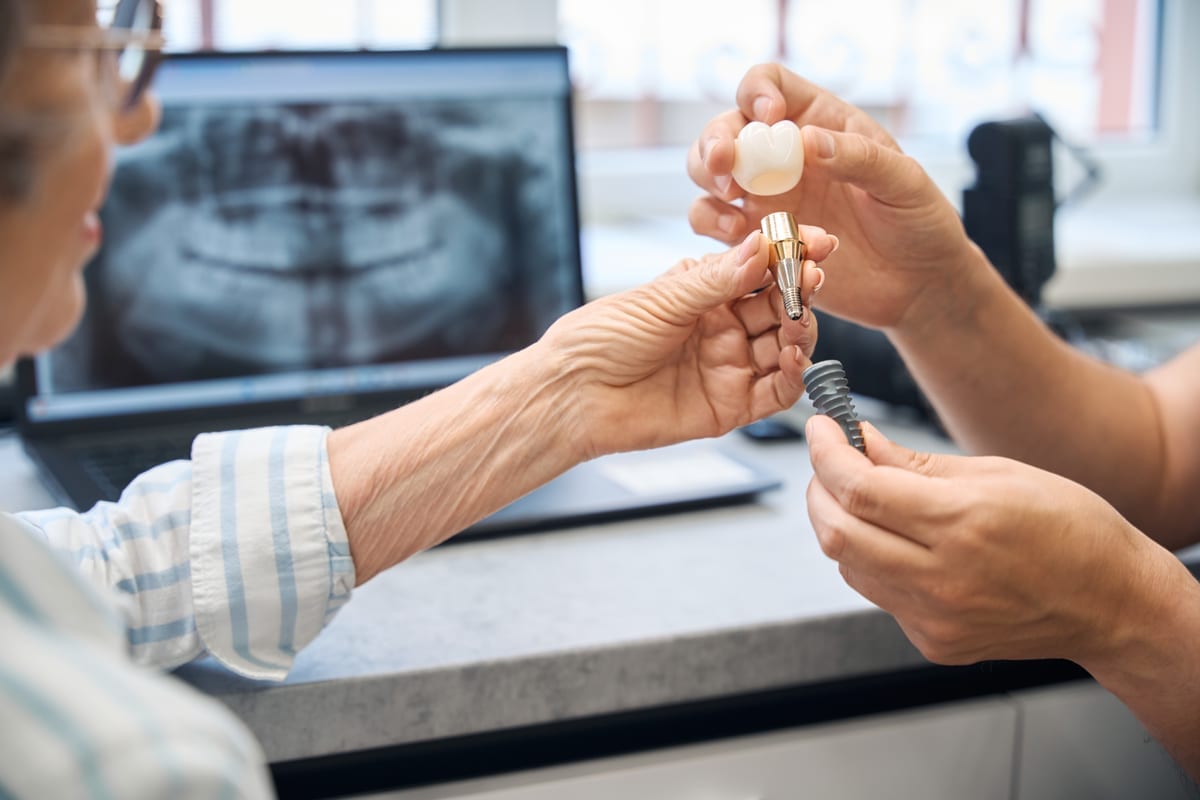
The implant itself — the titanium post in your jawbone — is the most durable component. It fuses with your bone through a process called osseointegration. This bond is incredibly strong and can last a lifetime in most healthy patients. However, the crown placed on top of the implant typically lasts 10 to 15 years before it may need replacement.
So when people ask if implants last forever, the honest answer depends on which part you mean. The post often does. The crown usually needs attention over time. Proper maintenance is what keeps the whole system working seamlessly.
Key Factors That Affect Dental Implant Longevity in Haymarket
Not every patient has the same outcome. Several factors influence how long your implant will last. Being aware of them helps you take control of your oral health journey.
Here are the most significant factors that affect implant lifespan:
- Bone density: Implants need sufficient jawbone to anchor securely. Low bone density increases the risk of implant failure over time.
- Gum health: Gum disease is a leading cause of implant complications. Healthy gums are essential to long-term success.
- Smoking: Tobacco use significantly reduces blood flow to gum tissue. This slows healing and raises the risk of implant failure.
- Diabetes and systemic health: Poorly managed diabetes affects healing and increases infection risk. Good overall health supports better implant outcomes.
- Oral hygiene habits: Patients who brush, floss, and attend regular checkups have far better implant success rates.
- Bite forces and grinding: Bruxism — teeth grinding — places excessive stress on implants. A custom night guard can protect your investment.
Dr. Paul Han evaluates all of these factors before recommending implants. A thorough assessment helps ensure you’re a strong candidate for long-term success right here in Haymarket.
What Shortens an Implant’s Lifespan?
Some habits and conditions are especially harmful to dental implants. Knowing what to avoid is just as important as knowing what to do. Early implant failure — within the first year — is often linked to healing complications. Late failure — years down the road — is usually tied to ongoing neglect or disease.
Peri-implantitis is one of the biggest threats to long-term implant health. It’s essentially gum disease around the implant. If left untreated, it destroys the bone that holds the implant in place. The good news is that it’s preventable with consistent oral hygiene and professional cleanings.
Skipping dental appointments is another major risk factor. Small problems go undetected and grow into larger, costlier issues. Regular checkups at Elevate Dental Studio allow Dr. Han to catch early warning signs. Addressing issues early can save your implant — and your smile.
If you ever experience sudden pain, swelling, or looseness around an implant, don’t wait. That’s when Emergency Dentistry Haymarket services become critical. Prompt care can be the difference between saving and losing an implant.
How to Make Your Dental Implants Last a Lifetime
The good news is that most patients can significantly extend their implant lifespan. It comes down to consistent habits and proactive care. Here’s a practical guide to protecting your implants for the long haul.
- Brush twice daily: Use a soft-bristled toothbrush around the implant site. Avoid harsh abrasives that can scratch implant surfaces.
- Floss every day: Use implant-specific floss or a water flosser to clean around the base of the crown. Plaque buildup at the gumline causes peri-implantitis.
- Attend every cleaning appointment: Professional cleanings remove tartar that home care misses. Dr. Han recommends cleanings every six months at minimum.
- Quit smoking: If you smoke, quitting is one of the best things you can do for your implant — and your overall health.
- Wear a night guard if you grind: Bruxism is a silent implant killer. A custom guard distributes bite pressure evenly and protects the crown.
- Manage systemic health: Work with your doctor to keep conditions like diabetes well-controlled. Your mouth reflects your overall wellbeing.
These steps aren’t complicated. But they do require commitment. Patients in Haymarket who follow this routine consistently give their implants the best possible chance of lasting a lifetime.
Implants as Part of a Complete Smile Investment
Dental implants often complement other treatments beautifully. Many patients in Haymarket combine implants with additional procedures to restore or enhance their smiles. For a full cosmetic transformation, exploring Cosmetic Dentistry Haymarket options alongside implants can deliver remarkable results.
Veneers, teeth whitening, and crowns can all work in harmony with implants. Dr. Han takes a comprehensive approach to each patient’s unique smile goals. The aim is always a result that looks natural, functions well, and lasts.
Thinking of implants as a one-time investment — rather than a procedure — shifts your mindset in a helpful way. When you care for an implant the way you would a natural tooth, it rewards you with decades of confident, comfortable use.
Conclusion: Longevity Is Possible with the Right Care
So, do dental implants really last a lifetime in Haymarket? For most healthy patients who commit to proper care, the answer is a resounding yes. The titanium post can last indefinitely. The crown may need updating over the years. But the overall investment is one of the most durable options available in modern dentistry.
Dr. Paul Han and the team at Elevate Dental Studio are here to guide you every step of the way. From your initial consultation to your long-term maintenance plan, we prioritize your success. Book Now to schedule your appointment with our team.
Frequently Asked Questions
How long do dental implants last on average?
The titanium implant post can last a lifetime with proper care. The crown on top typically needs replacement every 10 to 15 years. Overall, well-maintained implants are among the most durable tooth replacement options available.
Can dental implants fail years after placement?
Yes, late implant failure can occur — usually due to gum disease, bone loss, or chronic health conditions. Regular checkups and good oral hygiene dramatically reduce this risk. Catching problems early is key to protecting long-term implant health.
Does smoking really affect dental implant lifespan?
Absolutely. Smoking reduces blood flow to gum tissue and impairs healing. Smokers have significantly higher implant failure rates than non-smokers. Quitting smoking before and after implant surgery gives your implant the best chance of lasting.
What is peri-implantitis and how do I prevent it?
Peri-implantitis is an infection of the tissue and bone surrounding a dental implant. It’s similar to gum disease and can lead to implant loss if untreated. Prevention involves daily flossing, twice-daily brushing, and routine professional cleanings with your dentist.
Are dental implants a good long-term investment?
For most patients, dental implants are one of the most cost-effective long-term solutions for missing teeth. They prevent bone loss, support facial structure, and function like natural teeth. With proper maintenance, they rarely require full replacement.