We are a registered Medicare Provider

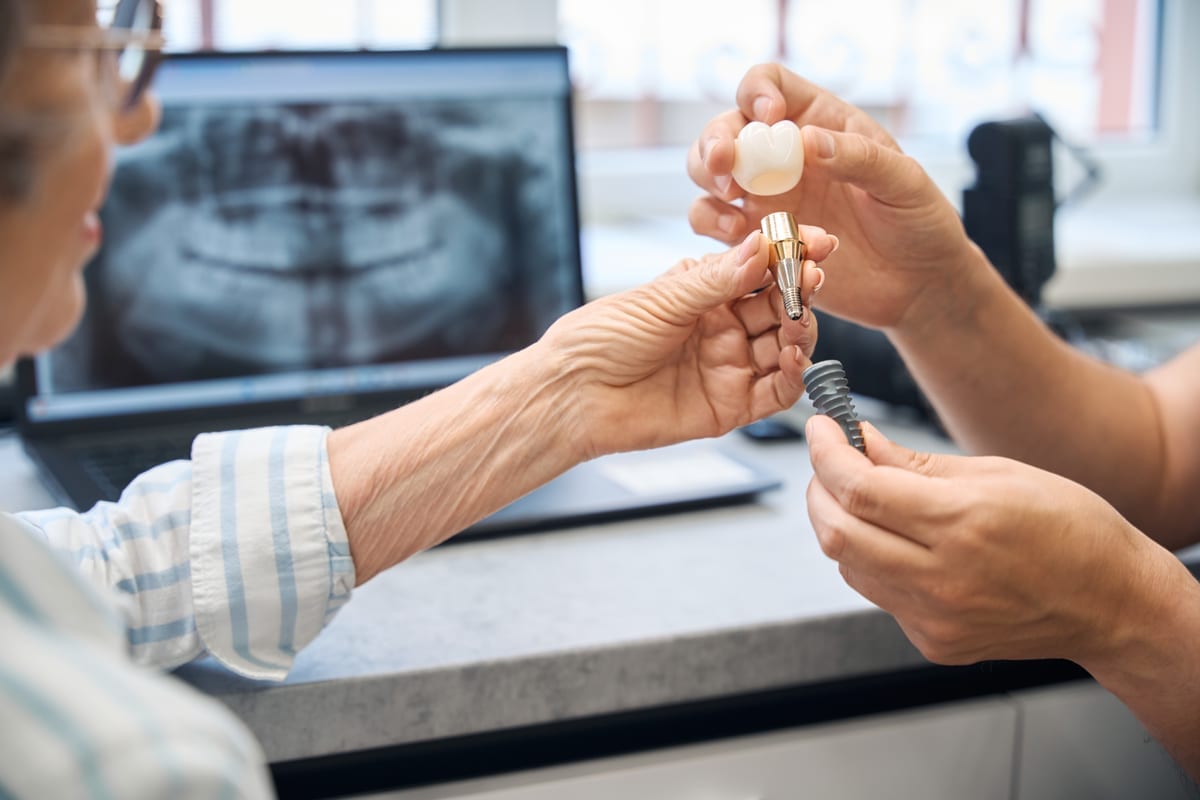
Understanding what to expect after restorative dentistry is essential for a smooth recovery. This complete recovery guide for Haymarket patients covers everything from the first few hours post-treatment to long-term care. Whether Dr. Paul Han has just placed a crown, completed a root canal, or restored implants, your healing journey matters. Knowing what is normal — and what is not — helps you feel confident every step of the way.
Your Recovery Timeline After Restorative Dentistry in Haymarket
Recovery time varies depending on the procedure. Simple restorations like fillings or crowns typically feel normal within 24 to 48 hours. More involved treatments like dental implants or multiple restorations may require one to two weeks of careful healing.
During the first 24 hours, expect some tenderness and mild swelling. These are completely normal responses to treatment. Your body is beginning its natural healing process right away.
By day three to five, most discomfort should noticeably decrease. If you had a root canal or implant procedure, sensitivity near the site is still expected during this phase. Full tissue healing after implant placement can take several months, though daily comfort improves much sooner.
Here is a general recovery timeline to guide you:
- Hours 1–6: Numbness from local anesthetic fades; avoid chewing on the treated side
- Day 1–2: Mild soreness and possible minor swelling; rest and take prescribed or recommended pain relief
- Day 3–5: Swelling subsides; sensitivity decreases significantly
- Week 2: Most patients return to fully normal eating and oral hygiene routines
- Month 1–3 (implants): Osseointegration continues; follow-up visits confirm progress
What to Eat During Your Restorative Dentistry Recovery
Your diet plays a huge role in how quickly you heal. Choosing the right foods protects your restoration and reduces irritation to surrounding tissue. Dr. Paul Han and the team at Elevate Dental Studio – Haymarket recommend starting soft for the first few days.
During the first 48 hours, stick to gentle, easy-to-chew options. These include yogurt, mashed potatoes, scrambled eggs, smoothies, and lukewarm soup. Avoid anything that requires significant biting force.
As soreness fades, gradually reintroduce firmer foods. Cut food into small pieces to minimize pressure on the treated area. Continue avoiding hard, crunchy, or sticky foods for at least one full week.
Foods to avoid during recovery include:
- Hard candies and nuts
- Chewy foods like caramel or gummy snacks
- Crunchy chips and raw vegetables
- Extremely hot or cold beverages
- Carbonated drinks, especially in the first 24 hours after implant surgery
Staying well-hydrated supports healing. Drink plenty of water throughout your recovery. Avoid alcohol during the first few days, as it can interfere with healing and interact with any prescribed medications.
Pain Management: Staying Comfortable After Treatment
Mild discomfort after restorative dentistry is very normal. Managing it properly helps you stay comfortable and supports healing. Dr. Paul Han will provide specific instructions based on your procedure.
Over-the-counter pain relievers like ibuprofen or acetaminophen are often sufficient for mild soreness. Take them as directed and do not exceed recommended doses. Ibuprofen also helps reduce inflammation, which makes it especially useful in the first few days.
Applying a cold pack to the outside of your cheek can reduce swelling. Use it in 15-minute intervals during the first 24 hours. After the first day, a warm compress may feel more soothing if swelling persists.
Keep your head slightly elevated when resting or sleeping during the first couple of nights. This simple step reduces blood pressure around the treated area. It can noticeably reduce both swelling and discomfort overnight.
Oral hygiene is still important during recovery, but be gentle. Rinse with warm salt water after meals to keep the area clean. Brush carefully around the restoration without applying heavy pressure.
Warning Signs: When to Call Elevate Dental Studio in Haymarket
Most recoveries go smoothly, but knowing when to seek help is crucial. Some symptoms require prompt attention from Dr. Paul Han’s team. Do not ignore signs that something may need professional evaluation.
Contact the office right away if you experience any of the following:
- Severe or worsening pain that does not respond to pain relievers
- Swelling that increases after day three
- A fever above 101°F
- Visible pus or discharge near the treated area
- A restoration that feels loose, cracked, or has shifted
- Difficulty breathing or swallowing
If you develop a sudden dental problem outside of regular hours, Emergency Dentistry Haymarket services are available to help you get timely care. Prompt treatment of complications protects both your restoration and your overall health.
Bite alignment is another important thing to check after treatment. If your bite feels uneven or a crown feels too high, call the office. Small adjustments are quick and prevent long-term discomfort.
Long-Term Care for Your Restored Smile in Haymarket
A beautifully restored smile deserves lasting care. Following a consistent maintenance routine protects your investment and keeps your teeth healthy for years. Dr. Paul Han recommends treating restorations with the same diligence as natural teeth.
Brush twice daily with a soft-bristled toothbrush and fluoride toothpaste. Floss once daily, gently around any crown margins or implant sites. A water flosser can be a helpful addition to your routine for cleaning around restorations.
Schedule regular check-up and cleaning appointments every six months. These visits allow Dr. Paul Han to monitor the health of your restoration and surrounding tissue. Early detection of any issues prevents costly and uncomfortable complications later.
If you are interested in enhancing your smile beyond restoration, explore what Cosmetic Dentistry Haymarket can offer. Treatments like whitening or veneers can complement your restored smile beautifully. Dr. Han can discuss which options suit your goals during a consultation.
Wear a night guard if you grind your teeth. Bruxism can crack or dislodge restorations over time. A custom-fitted guard from Elevate Dental Studio – Haymarket protects your investment while you sleep.
Your Recovery Partner at Elevate Dental Studio – Haymarket
Dr. Paul Han and the entire team at Elevate Dental Studio – Haymarket are committed to supporting you throughout recovery. You are never left guessing after leaving the office. Clear aftercare instructions are always provided, and our team remains available for questions.
We understand that dental recovery can feel uncertain. Our friendly and empathetic team is here to answer your concerns without judgment. Whether your question is big or small, a quick call to our office brings you peace of mind.
Healing after restorative dentistry takes time, but you do not have to navigate it alone. Follow your personalized aftercare plan, watch for warning signs, and keep your follow-up appointments. With the right support, your recovery can be smooth and your results long-lasting. Book Now to schedule your appointment with our team.
Frequently Asked Questions
How long does it take to recover from restorative dentistry?
Recovery time depends on the procedure. Simple restorations like fillings typically heal within one to two days. More complex treatments like implants may require several weeks before full comfort returns, though most patients feel significantly better within the first week.
Is pain normal after a dental crown or root canal?
Yes, mild soreness is completely normal after crown placement or root canal treatment. Discomfort usually peaks within the first 24 to 48 hours and then gradually improves. If pain is severe or worsening after three days, contact Dr. Paul Han’s office for an evaluation.
What foods should I avoid after restorative dental work?
Avoid hard, crunchy, sticky, and extremely hot or cold foods during the first week of recovery. Soft foods like yogurt, mashed potatoes, and soup are ideal in the first few days. Gradually reintroduce firmer foods as discomfort decreases.
Can I brush my teeth after restorative dentistry?
Yes, but be gentle around the treated area. Use a soft-bristled toothbrush and avoid applying heavy pressure near the restoration. Rinsing with warm salt water after meals also helps keep the area clean and reduces the risk of infection.
When should I call the dentist after my restoration?
Call Elevate Dental Studio – Haymarket right away if you experience severe or increasing pain, noticeable swelling after day three, fever, discharge near the site, or a restoration that feels loose or shifted. These signs may indicate a complication that needs prompt professional attention.