We are a registered Medicare Provider

You’ve tried whitening strips, whitening toothpaste, and even an at-home tray kit. Still, your smile looks dull or discolored. If you’re searching for answers about why your teeth won’t whiten and what actually works in Haymarket, you’re not alone. The truth is, not all stains respond to the same treatments — and understanding the difference is the first step toward a brighter smile.
Intrinsic vs. Extrinsic Stains: Why the Difference Matters in Haymarket
Dental stains fall into two main categories: extrinsic and intrinsic. Extrinsic stains sit on the outer surface of your enamel. Intrinsic stains live inside the tooth structure itself, beneath the enamel layer.
Most over-the-counter whitening products only target extrinsic stains. They use peroxide-based formulas that lift surface discoloration. If your stains are intrinsic, these products simply won’t reach the source of the problem.
This is one of the most common reasons patients at Elevate Dental Studio – Haymarket feel frustrated. They’ve spent money on whitening products that didn’t deliver. Dr. Paul Han helps patients identify their stain type before recommending any treatment.
What Causes Extrinsic Stains — And How to Treat Them
Extrinsic stains develop from everyday habits and food choices. Common causes include coffee, tea, red wine, tobacco, and certain sauces. These pigments bind to the enamel surface over time.
The good news is that extrinsic stains are very treatable. Professional whitening treatments use stronger peroxide concentrations than store-bought kits. They penetrate enamel more effectively and produce more dramatic results.
Here are the most effective options for extrinsic stains:
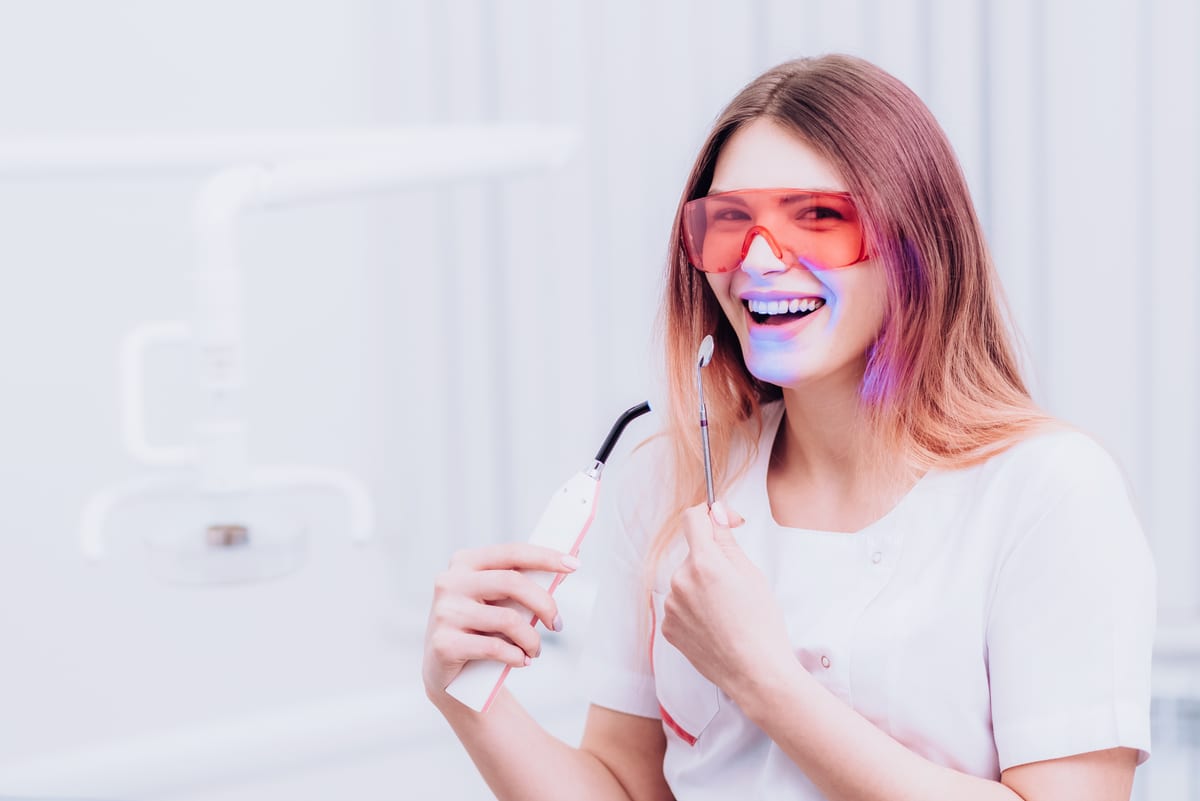
- In-office professional whitening with LED activation
- Custom take-home trays with professional-grade gel
- Regular professional cleanings to remove surface buildup
- Air polishing treatments during preventive appointments
Patients with extrinsic stains typically see excellent results from professional whitening. Results can last one to three years with proper maintenance. Avoiding staining foods and drinks after treatment helps preserve your results.
What Causes Intrinsic Stains — And Why Whitening Won’t Fix Them
Intrinsic stains are deeper and more complex. They form inside the dentin, which is the layer beneath your enamel. No amount of peroxide-based whitening can reach this layer effectively.
Common causes of intrinsic staining include:
- Tetracycline antibiotic use during childhood tooth development
- Fluorosis from excessive fluoride exposure during development
- Tooth trauma causing internal bleeding or nerve damage
- Aging, which naturally thins enamel and darkens underlying dentin
- Certain medications taken during pregnancy
- Root canal treatment that alters tooth color over time
These stains often appear grayish, brownish, or yellow in a pattern that whitening gels cannot change. Patients sometimes notice their teeth look even more uneven after whitening attempts. That’s because whitening lifts surface stains but can’t alter the deeper discoloration.
If you’ve experienced this, don’t give up on a brighter smile. Several cosmetic solutions work specifically for intrinsic staining. Dr. Paul Han can assess your stain type and recommend the right path forward.
Cosmetic Alternatives That Actually Work for Stubborn Stains
When whitening fails, Cosmetic Dentistry Haymarket offers highly effective alternatives. These solutions cover or replace discolored enamel entirely. They create a uniform, bright appearance that whitening simply cannot achieve.
Dental veneers are one of the most popular options for intrinsic stains. Veneers are thin porcelain shells bonded to the front surface of your teeth. They completely mask deep discoloration and can be shade-matched to your ideal smile.
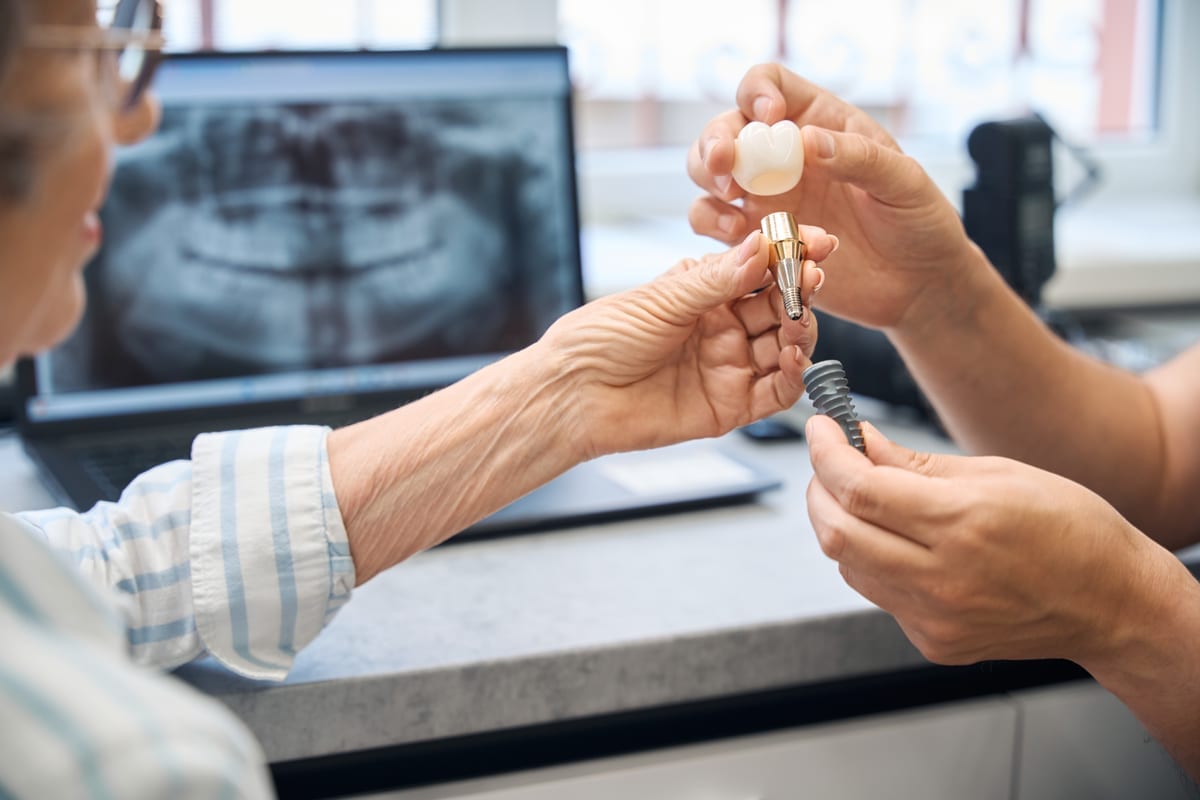
Dental crowns work well when staining is paired with structural damage. A crown covers the entire visible tooth, eliminating both discoloration and structural concerns. This is often the right choice after a root canal treatment has darkened a tooth.
Composite bonding offers a less invasive option for mild intrinsic staining. A tooth-colored resin is applied directly to the stained area. It blends seamlessly with surrounding teeth and requires minimal enamel removal.
Orthodontic treatment can also improve overall smile appearance. Straighter teeth reflect light more evenly, making your smile look brighter overall. Combining orthodontics with cosmetic treatments gives patients comprehensive results.
When to See Dr. Paul Han About Tooth Discoloration
Not every case of discoloration is cosmetic. Sometimes sudden darkening of a single tooth signals a dental health issue. A tooth that changes color after an injury may need prompt evaluation.
Internal resorption, infection, or nerve damage can all cause discoloration. These conditions require treatment beyond cosmetic care. In some cases, Emergency Dentistry Haymarket may be the appropriate first step before any cosmetic work begins.
It’s important to rule out underlying issues before pursuing cosmetic solutions. Dr. Paul Han takes a thorough diagnostic approach with every patient. X-rays and clinical examination help identify whether staining is cosmetic, structural, or both.
Even if your situation turns out to be purely cosmetic, a professional consultation saves time and money. You’ll avoid spending on treatments that won’t work for your specific stain type. A personalized treatment plan delivers better outcomes every time.
Your Brighter Smile Starts With the Right Diagnosis
Understanding why your teeth won’t whiten and what actually works in Haymarket begins with an honest assessment. There’s no one-size-fits-all answer in cosmetic dentistry. Your stain type, tooth structure, and personal goals all guide the best solution for you.
Dr. Paul Han and the team at Elevate Dental Studio – Haymarket are here to help you navigate these choices. We take time to explain your options clearly and without pressure. Our goal is to help you make an informed decision that fits your smile and your life.
Whether you need professional whitening, veneers, crowns, or simply a cleaning and assessment, we have the tools and expertise to help. Haymarket patients deserve a dental team that listens and delivers results. Book Now to schedule your appointment with our team.
Frequently Asked Questions
Why don’t whitening strips work on my teeth?
Whitening strips typically only target extrinsic stains on the enamel surface. If your discoloration is intrinsic — meaning it’s inside the tooth — strips cannot reach it. A dental evaluation can identify your stain type and point you toward a solution that actually works.
What is the best treatment for tetracycline-stained teeth?
Tetracycline staining is intrinsic and does not respond to traditional whitening. Porcelain veneers are often the most effective solution for this type of discoloration. In some cases, dental crowns may be recommended depending on the severity and tooth condition.
Can a single dark tooth be a sign of something serious?
Yes, a single tooth that darkens — especially after trauma — can indicate internal damage or infection. It’s important to have it evaluated promptly rather than assuming it’s a cosmetic issue. Dr. Paul Han can assess the tooth and determine whether treatment is needed beyond cosmetic care.
How long does professional teeth whitening last?
Professional whitening results typically last between one and three years. The longevity depends on your diet, oral hygiene habits, and whether you use touch-up treatments. Avoiding coffee, tea, red wine, and tobacco helps extend your results significantly.
Are veneers a permanent solution for stained teeth?
Veneers are considered a long-term solution and typically last ten to fifteen years with proper care. They are not reversible, as a small amount of enamel is removed during placement. Many patients find them worthwhile because they provide a consistently bright, natural-looking smile.