We are a registered Medicare Provider

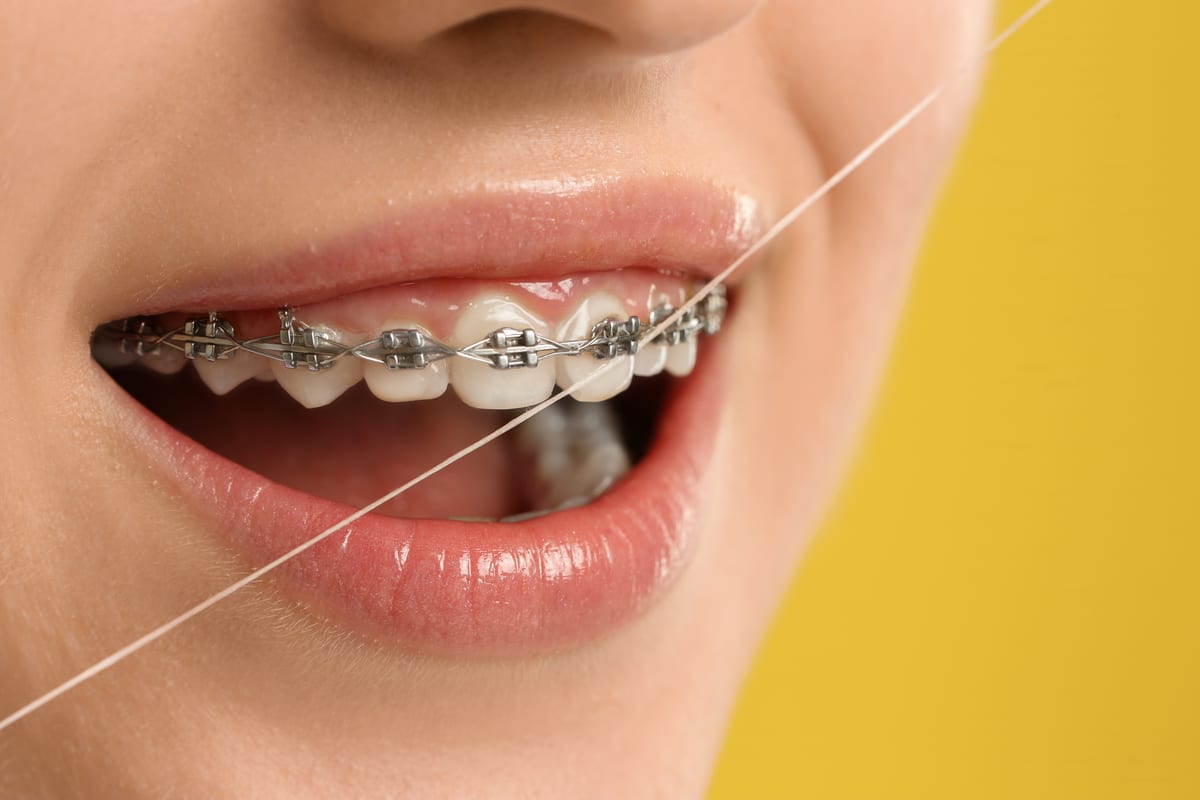
Finishing orthodontic treatment is a big milestone. Whether you just had your braces removed or completed your last aligner tray, the journey is not quite over yet. Understanding what happens next in Haymarket is essential for protecting your results. At Elevate Dental Studio – Haymarket, Dr. Paul Han and our team want every patient to feel confident and informed as they move into this next phase.
Your orthodontic treatment is done—here’s what happens next in Haymarket, and what you need to know to keep that smile looking its best for years to come.
What to Expect Right After Orthodontic Treatment in Haymarket
The first few days after completing orthodontic treatment can feel a little strange. Your teeth may feel sensitive or slightly loose, which is completely normal. The bone and tissue around your teeth are still settling into their new positions. This discomfort usually fades within a few days.
You may also notice that your mouth feels different when you bite or chew. Your jaw muscles have adapted to your orthodontic appliances over time. Give yourself a week or two to adjust to the new feel of your bite.
Some patients experience mild gum soreness or irritation where brackets or aligners once rested. Gentle salt water rinses can help soothe this tissue. If soreness becomes severe or does not improve after a few days, contact our office.
Retainers: Your Most Important Next Step
Retainers are the foundation of long-term orthodontic success. Without a retainer, teeth will naturally shift back toward their original positions over time. This process is called relapse, and it can undo months or years of treatment.
Dr. Paul Han will fit you with a custom retainer immediately after treatment ends. Most patients receive one of two types:
- Removable retainers — Worn at night, easy to clean, and replaced as needed
- Fixed retainers — Bonded behind the teeth for continuous, hands-free retention
- Combination retainers — A fixed retainer on the bottom and removable on top
Wear your retainer exactly as instructed. In the early weeks, you may need to wear it full-time. Consistency during this period makes a dramatic difference in how stable your results remain.
Clean your retainer daily with a soft brush and lukewarm water. Never use hot water, as it can warp the material. Store it in its case when not in use to avoid loss or damage.
What to Eat During the Recovery Period
Dietary choices matter more than most patients realize after orthodontic treatment ends. Your teeth are more sensitive than usual during the first week. Certain foods can cause discomfort or even damage your new retainer.
Start with softer foods in the first few days after treatment. This gives your teeth and gums time to recover comfortably. As sensitivity decreases, you can gradually return to your normal diet.
Here are some helpful guidelines for your post-treatment diet:
- Best choices early on: yogurt, mashed potatoes, scrambled eggs, smoothies, soup, and soft pasta
- Foods to avoid with removable retainers: sticky candy, hard nuts, chewy caramel, and tough meats
- Foods to avoid with fixed retainers: popcorn, hard bread crusts, ice, and anything very crunchy
- Always remove your retainer before eating if it is the removable type
Staying hydrated is also important. Drink plenty of water throughout the day. Avoid excessive sugary drinks, which can increase the risk of decay on freshly aligned teeth.
Managing Discomfort and Knowing When to Call Us
Mild discomfort is expected after orthodontic treatment concludes. Over-the-counter pain relievers like ibuprofen or acetaminophen can help manage sensitivity in the first few days. Always follow the dosage directions on the packaging.
Applying a cold compress to your jaw for short intervals can also reduce swelling or soreness. A soft ice pack wrapped in a cloth works well. Avoid applying ice directly to your skin or teeth.
Most discomfort resolves within one to two weeks. However, some symptoms do require professional attention. Contact Elevate Dental Studio – Haymarket right away if you experience any of the following:
- Severe or worsening pain that does not respond to over-the-counter medication
- A retainer that no longer fits properly or feels unusually tight
- A broken or lost retainer
- Swelling, bleeding, or signs of infection in the gums
- A tooth that feels significantly out of alignment
Our office offers Emergency Dentistry Haymarket services for situations that cannot wait for a routine appointment. Never ignore pain or structural concerns with your retainer or teeth.
Follow-Up Appointments and Long-Term Care in Haymarket
Your care does not stop when treatment ends. Regular follow-up visits with Dr. Paul Han are a critical part of the post-orthodontic process. These appointments allow us to monitor your retention, check your bite, and address any concerns early.
We typically recommend a check-in visit within the first few weeks after treatment. After that, retainer checks can often be incorporated into your regular preventive care schedule. Keeping up with routine cleanings and exams protects both your alignment and your overall oral health.
Straight teeth are easier to clean, which reduces your risk of cavities and gum disease. This is the perfect time to build strong daily habits. Brush twice a day, floss daily, and rinse with a fluoride mouthwash.
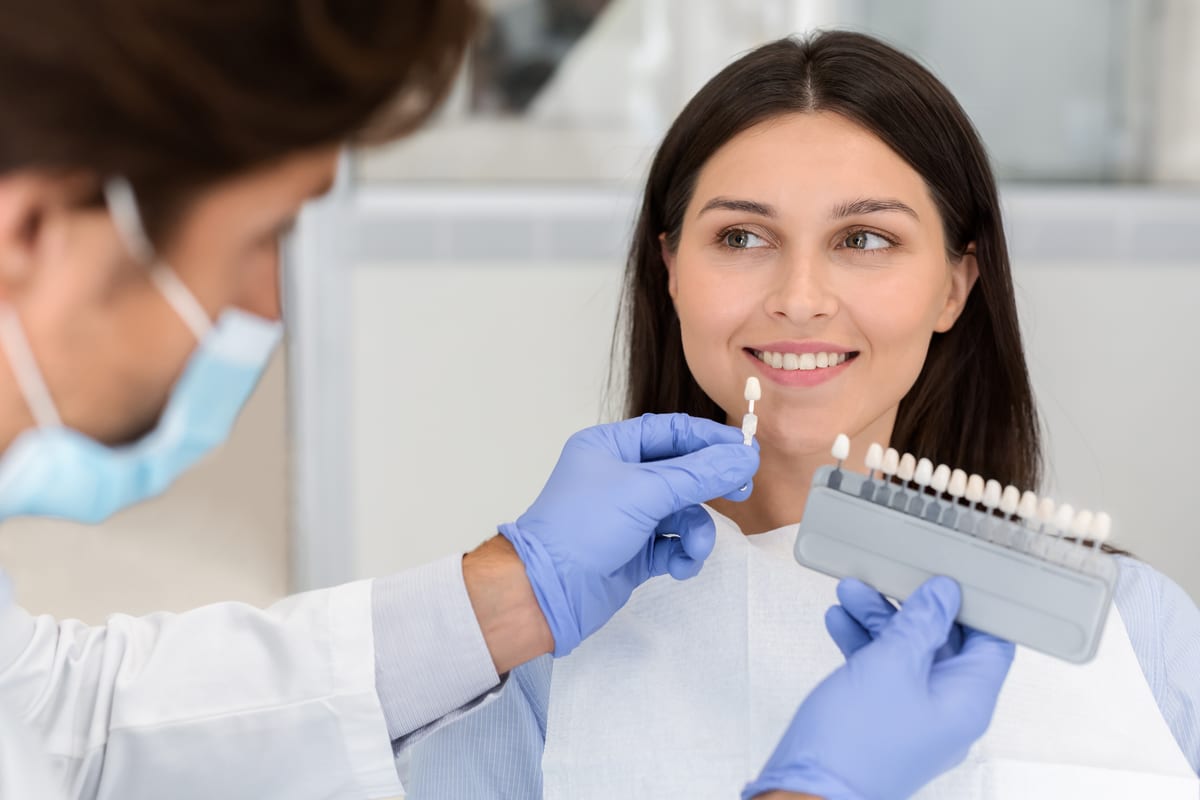
Many patients also use this milestone as an opportunity to explore additional smile enhancements. If you are curious about whitening, veneers, or other improvements, our Cosmetic Dentistry Haymarket services can help you achieve the full smile transformation you have been working toward.
Celebrating and Protecting Your New Smile
Completing orthodontic treatment is something to celebrate. You invested significant time and commitment to improve your smile. Now your job is to protect that investment with consistent habits and follow-through.
Wear your retainer. Attend your follow-up visits. Eat mindfully during the adjustment period. These simple steps make the difference between a smile that lasts a lifetime and one that shifts back over time.
Dr. Paul Han and the entire team at Elevate Dental Studio – Haymarket are here to support you every step of the way. We serve patients throughout Haymarket and the surrounding communities in Northern Virginia. Your smile is our priority, and we are proud to be part of your journey. Book Now to schedule your appointment with our team.
Frequently Asked Questions
How long do I need to wear my retainer after orthodontic treatment?
Most patients wear their retainer full-time for the first few months, then transition to nighttime wear. Dr. Paul Han will provide a personalized schedule based on your specific treatment and tooth stability. In many cases, retainer wear continues indefinitely at night to preserve long-term results.
What happens if I lose or break my retainer?
Contact Elevate Dental Studio – Haymarket as soon as possible if your retainer is lost or damaged. Even a short gap in retainer use can allow teeth to shift. We can quickly fabricate a replacement retainer to protect your alignment.
Is it normal for my teeth to feel loose after braces come off?
Yes, mild looseness is completely normal immediately after orthodontic treatment. The ligaments holding your teeth in place are still adapting. This sensation typically resolves within a few weeks as the bone stabilizes around your newly positioned teeth.
Can I whiten my teeth after finishing orthodontic treatment?
Yes, and many patients choose to whiten right after treatment for a complete smile refresh. We recommend waiting until any sensitivity has fully resolved before beginning a whitening regimen. Ask Dr. Paul Han about professional whitening options available at our Haymarket office.
When should I schedule my first follow-up after orthodontic treatment ends?
We recommend scheduling a follow-up visit within two to four weeks of completing treatment. This allows Dr. Paul Han to confirm your retainer fits correctly and that your bite has stabilized well. From there, follow-up care is typically incorporated into your regular dental visits.