Dental Implants
Replace one missing tooth with a solution built to look natural, feel secure, and hold up to everyday life in Haymarket.
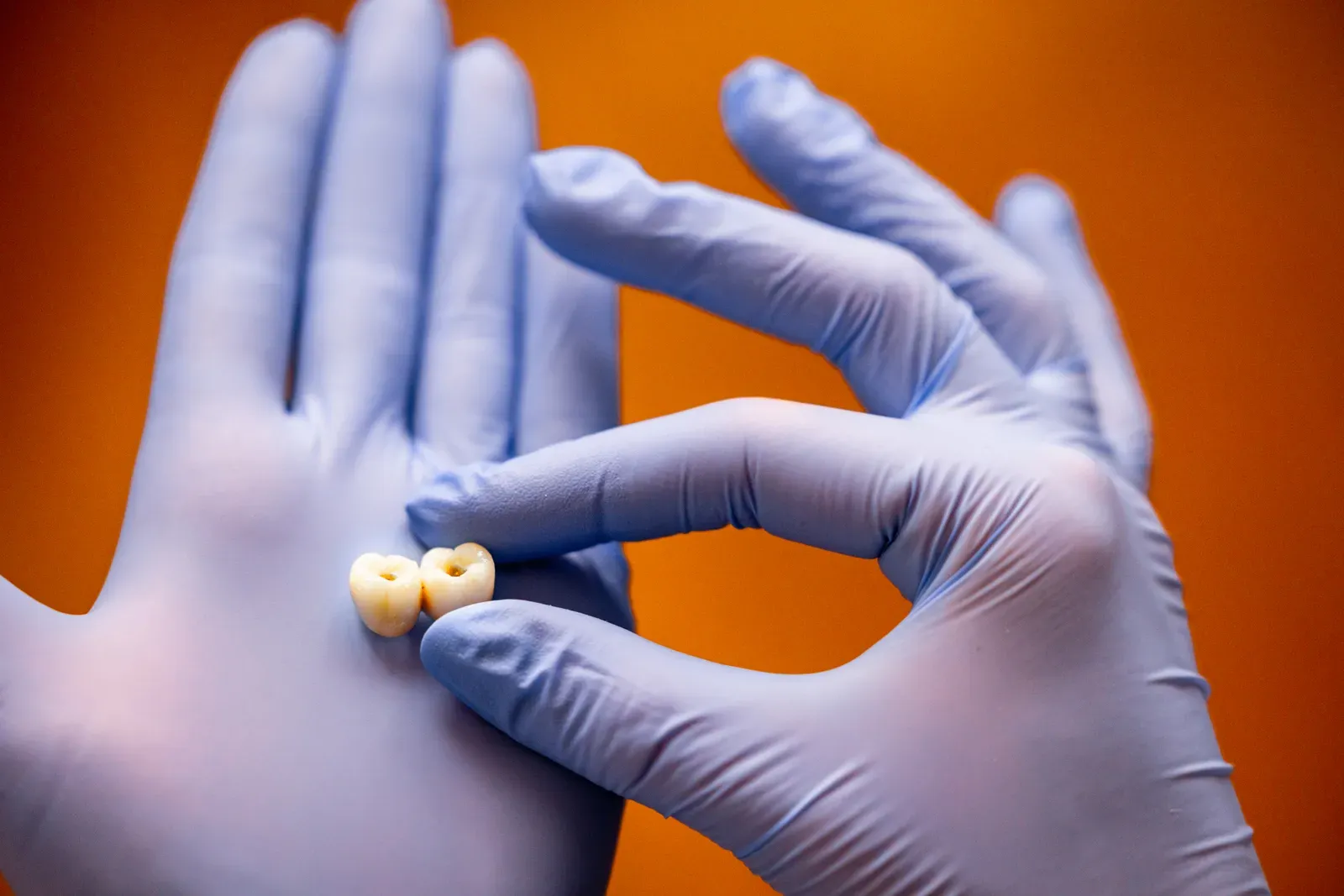
Losing a single tooth changes more than your smile. The gap shifts how you chew, how neighboring teeth settle, and how comfortable you feel speaking or laughing in front of other people. Within the jawbone, the area beneath a missing tooth begins to lose density almost immediately, since the bone no longer receives the stimulation it needs from chewing forces. Left alone, this can lead to a sunken appearance along the jawline and added strain on the teeth that now have to pick up the slack.
At Elevate Dental Studio, single tooth implants and fixed bridges fall under our broader Dental Implants program, and we evaluate each case individually rather than offering a one-size answer. A single implant replaces both the root and the crown, preserving bone and leaving adjacent healthy teeth completely untouched. A fixed bridge, by comparison, uses the neighboring teeth as anchors to support a replacement tooth without surgery. Which option fits you best depends on your bone health, the condition of nearby teeth, and your personal priorities for cost and timeline.
Our diagnostic process starts with a detailed scan of your jaw structure, a review of your bite, and an honest conversation about what you want the end result to feel like. We are not interested in pushing one treatment over another; we are interested in giving you a tooth that chews, speaks, and looks like it belongs in your mouth for years to come.
Missing or failing teeth do not always announce themselves with pain. Many patients live with a gap, a loose tooth, or a cracked crown for months before deciding to address it, often not realizing how much strain the surrounding teeth and jawbone have absorbed in the meantime. The signs below are common reasons patients in Haymarket come to see us for a single tooth implant or bridge evaluation.
If any of these sound familiar, a professional evaluation sooner rather than later can prevent the kind of bone loss and bite instability that make future treatment more complicated. Waiting rarely makes a single missing tooth easier to replace.
Most patients who need a single tooth implant or bridge did not lose that tooth overnight. The contributing factors below usually build on one another, and understanding them helps us plan a replacement that addresses the underlying issue rather than just filling a gap.
Deep cavities that reach the nerve or extend below the gum line can destroy enough tooth structure that extraction becomes the only responsible option.
A sports injury, fall, or hard impact can fracture a tooth below the gum line or damage its root beyond what traditional repair can fix.
Periodontal infection breaks down the bone and ligament supporting a tooth, eventually causing it to loosen and require removal.
Long-term clenching or grinding places repeated stress on a tooth's structure, cracking it or wearing it down until it fails.
Some root-canal-treated teeth develop reinfection or hairline fractures years later, leaving extraction and replacement as the more predictable path forward.
Decades of normal chewing forces, combined with past dental work, can gradually weaken a tooth's structure until it fractures or becomes unrestorable.
Some patients are simply born without a specific tooth, leaving a permanent gap that an implant or bridge can close once jaw growth is complete.
Every patient's bone, bite, and timeline are different, so we build a plan around your specific mouth rather than applying a generic sequence. Here is what the typical path looks like from your first visit to your finished tooth.
We start by listening. You walk us through your history, your concerns, and what you want this tooth replacement to accomplish, whether that is comfort, appearance, or long-term stability.
Digital x-rays and 3D imaging let us measure bone density and map nerve positioning precisely, so we know exactly what the site can support before recommending anything.
We present implant and bridge options side by side, with honest explanations of healing time, cost, and expected longevity, so you can choose confidently.
Whether placing an implant post or preparing teeth for a bridge, we work with local anesthesia and a measured pace, checking in with you throughout the visit.
We schedule follow-up visits to confirm healing, adjust bite if needed, and make sure your new tooth is integrating comfortably with daily use.
A well-planned single tooth implant or bridge does more than close a visible gap. It restores function that often gets overlooked until it's gone, and it protects the health of teeth and bone you still have.
You can bite into firmer foods again without favoring one side of your mouth, which also takes pressure off teeth that have been overcompensating.
A dental implant transmits chewing force into the jawbone the way a natural root does, which helps slow the bone loss that follows tooth loss.
Filling the gap promptly stops adjacent teeth from drifting or tilting, preserving your natural bite alignment for the long term.
A properly contoured replacement tooth restores the surface your tongue relies on for certain sounds, improving clarity without you thinking about it.
A custom-shaded crown is matched to your surrounding teeth, so the replacement blends in rather than standing out.
Addressing one missing tooth now reduces the risk of needing more extensive bone grafting or multi-tooth restoration work later.
The decision between a single tooth implant and a fixed bridge comes down to the condition of your bone and the health of the teeth next to the gap. An implant is placed directly into the jawbone and does not rely on neighboring teeth at all, which means it protects those teeth from the extra wear a bridge can place on them. It also tends to offer the strongest long-term bone preservation, since the titanium post continues to stimulate the jaw the way a natural root once did.
A bridge, however, can be the better choice when the adjacent teeth already need crowns, when bone volume is too low for an implant without additional grafting, or when a patient needs a faster timeline without a surgical healing period. Bridges have been refined for decades and, with good daily hygiene including floss threaders or a water flosser, can perform reliably for many years.
We walk through both paths honestly during your evaluation, including realistic timelines, costs, and maintenance expectations, so the decision feels informed rather than pressured in either direction.
Your implant or bridge will last longest when paired with consistent, careful daily habits. None of these replace regular dental visits, but they go a long way toward protecting your investment.
Use a floss threader or water flosser to clean beneath the pontic daily, where plaque tends to accumulate out of sight.
A soft-bristled brush used morning and night keeps bacteria from building up around the implant crown or bridge margins.
Crunching on hard objects can chip porcelain crowns or strain the implant connection over time.
If you clench or grind at night, a custom nightguard absorbs that force before it reaches your new tooth.
Regular visits let us catch early signs of gum recession or bone changes around an implant long before they become problems.
A bridge or crown that feels even slightly loose should be evaluated promptly to prevent decay or further damage underneath it.
These habits support the long-term health of your replacement tooth, but they are never a substitute for professional monitoring and the occasional adjustment only your dentist can make.
"We take the time to explain every option clearly because a tooth replacement is something you'll live with every day. Our job is to make sure that decision feels right for you, not rushed."
Answers to common questions about single tooth implants and bridges at Elevate Dental Studio in Haymarket.
BOOK YOUR VISIT
Join the Haymarket families who trust Elevate Dental Studio. New patients and emergencies are always welcome.