


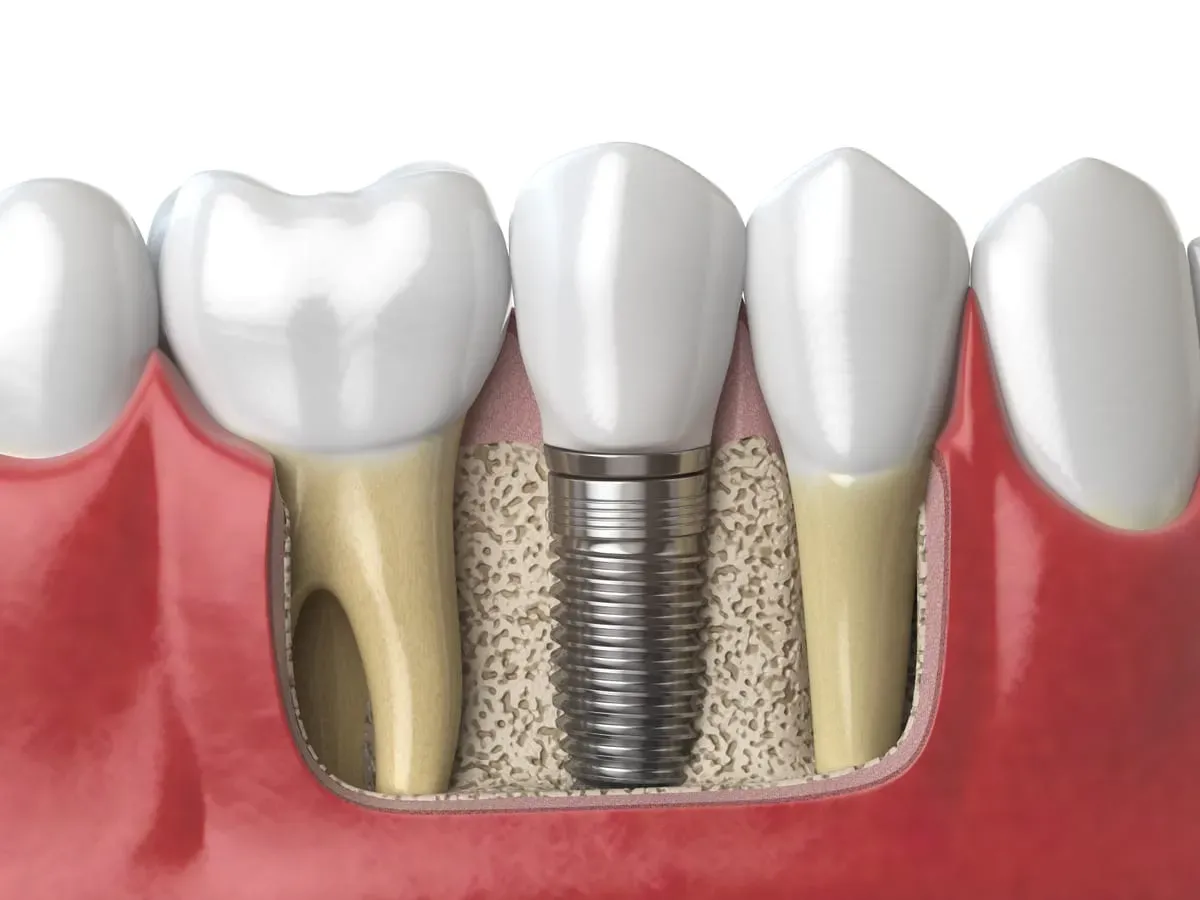
Losing a single tooth often feels like a minor inconvenience at first. You adjust how you chew, maybe cover your mouth when you laugh, and tell yourself you'll deal with it eventually. But a gap left untreated rarely stays simple. Neighboring teeth begin to shift, the opposing tooth can over-erupt into the space, and the jawbone beneath the missing tooth starts to lose density within months. What seemed like a cosmetic issue quietly becomes a structural one.
The good news is that replacing a single tooth is one of the most predictable, well-studied procedures in modern dentistry. Whether the solution is a dental implant or a traditional bridge, patients in Haymarket have real options backed by decades of clinical success. The right choice depends on your bone health, budget, timeline, and long-term goals for your smile.
This guide walks through exactly what happens when you lose a single tooth, how implants and bridges compare, what the treatment timeline actually looks like, and how to decide which path fits your situation. Our goal is to give you the information you need before you ever sit in the chair.
Why a Single Missing Tooth Shouldn't Wait
A single gap in your smile sets off a chain of changes that most patients never anticipate. The teeth on either side of the space have nothing to brace against, so they gradually tip or drift toward the opening. Meanwhile, the tooth above or below the gap no longer has a partner to meet during chewing, so it can slowly extrude out of its socket looking for contact. Over a year or two, this shifting can throw off your bite entirely.
Beneath the gum line, the consequences are even more significant. Bone in the jaw stays dense only when it receives regular stimulation from a tooth root during biting and chewing. Once that stimulation stops, the bone begins to resorb, often losing a noticeable percentage of its width within the first year alone. This is one of the main reasons dentists recommend addressing a missing tooth sooner rather than later; the longer you wait, the more bone volume you may lose, which can limit your future treatment options.
There's also a functional cost to delaying treatment. Chewing exclusively on one side to avoid the gap can strain your jaw joint and contribute to muscle tension or headaches over time. If you're already noticing jaw discomfort, it may be worth discussing TMD and TMJ treatment alongside your tooth replacement plan, since the two issues often develop together.
Single Tooth Implant vs. Dental Bridge: Key Differences
Both options have been used successfully for decades, but they solve the problem in very different ways. A single tooth implant replaces the entire tooth, root included, with a titanium or zirconia post surgically placed into the jawbone, topped with a custom crown. A traditional bridge, by contrast, relies on the two teeth flanking the gap, which are reshaped and capped with crowns that anchor an artificial tooth suspended between them.
The most important distinction is what each option does to your surrounding bone and teeth. An implant preserves the healthy structure of neighboring teeth because it doesn't rely on them for support, and it stimulates the jawbone just like a natural root would. A bridge requires permanently altering two otherwise healthy teeth to accept crowns, which some patients prefer to avoid if those teeth have no existing fillings or damage.
- Bone preservation: Implants stimulate the jawbone directly, helping prevent the resorption that follows tooth loss, while bridges do not address bone health beneath the gap.
- Treatment timeline: Bridges can often be completed in two to three visits over a few weeks, while implants require a healing period of several months before the final crown is placed.
- Impact on neighboring teeth: Bridges require reshaping two adjacent teeth for crowns, while implants stand independently without touching nearby teeth.
- Upfront investment: Bridges typically cost less initially, while implants often prove more economical over a 15 to 20 year span due to their durability.
- Candidacy requirements: Implants need adequate bone density and healthy gums, which is why we evaluate whether you're a good candidate before recommending either path.
What to Expect During the Implant Process
Placing a single tooth implant happens in stages, and understanding the sequence helps set realistic expectations. The first step is a thorough evaluation, often including digital imaging, to confirm you have sufficient bone volume and healthy gum tissue. If bone has already thinned from the missing tooth, a bone graft may be recommended first to rebuild a stable foundation, which can add several months to the overall timeline.
Once your jaw is ready, the implant post is surgically placed under local anesthesia, a procedure that typically takes under an hour for a single site. Over the following three to six months, the titanium post fuses with the surrounding bone through a biological process called osseointegration. This fusion is what gives implants their stability and natural chewing strength, closely mimicking how a real tooth root anchors into the jaw.
After healing is confirmed, we attach a small connector piece called an abutment and take precise impressions to craft your final crown. The crown is custom-shaded and shaped to blend with your bite and surrounding teeth before it's permanently secured. Many of our patients pair this process with other restorative work, and if you're exploring the full range of options available, our page on dental implants covers how single implants fit into broader treatment planning.
How a Traditional Bridge Is Placed
A dental bridge moves considerably faster than an implant, which makes it appealing for patients who want a quicker solution or who aren't candidates for surgery due to bone loss or certain medical conditions. The process begins with reshaping the two teeth adjacent to the gap, removing a thin layer of enamel so crowns can fit over them snugly. This step is irreversible, which is an important consideration if those teeth are currently healthy and untouched.
After reshaping, we take detailed impressions and send them to a dental lab, where your custom bridge is fabricated, typically a porcelain or zirconia piece fused into a single unit spanning three connected teeth. While the permanent bridge is being made, you'll wear a temporary bridge to protect the reshaped teeth and maintain your appearance in the meantime.
Once the final bridge arrives, we check the fit, color match, and bite alignment carefully before cementing it into place. With good oral hygiene, including daily flossing underneath the connected crowns using a floss threader, a well-made bridge can function comfortably for many years. You can review more detail on materials and care in our dedicated page on dental bridges.
Longevity, Cost, and Long-Term Value
Cost comparisons between implants and bridges can be misleading if you only look at the initial invoice. A bridge generally costs less upfront, but it has a finite lifespan, commonly 10 to 15 years, after which it will likely need replacement. Because a bridge relies on the two supporting teeth, those teeth also carry greater risk of decay or needing root canal treatment down the road since they're now covered by crowns.
An implant costs more initially, largely due to the surgical placement and the healing time involved, but it's designed to last decades with proper care, in many cases for the rest of your life. Because the implant crown can be replaced independently if it ever chips or wears without needing to redo the post underneath, long-term maintenance costs are often lower than people expect.
When patients ask us to put a number on it, we encourage thinking in terms of cost per year of service rather than the sticker price alone. A bridge replaced twice over 30 years may ultimately cost more than a single implant placed once. That said, your personal health, budget timing, and bone condition all factor into which option truly makes financial sense for you.
Which Option Is Right for Your Smile?
There isn't a universal right answer here, which is exactly why a personalized consultation matters so much. Patients with strong, healthy bone density and no urgency for a short timeline often lean toward implants for their durability and conservative approach to neighboring teeth. Patients who need a faster solution, have certain medical conditions that complicate surgery, or already have crowns planned for the adjacent teeth sometimes find a bridge is the more practical fit.
Age, gum health, grinding habits, and even the specific tooth being replaced all play a role in the recommendation. A missing molar, for example, bears significant chewing force and often benefits from the stability of an implant, while a front tooth replacement might weigh aesthetics and speed more heavily in the decision.
The only reliable way to know which path fits your mouth is a clinical exam with imaging, which lets us assess your bone volume, gum condition, and bite before recommending a direction. We walk every patient through the pros and cons specific to their situation rather than defaulting to one option across the board.
Key Takeaways
- A missing tooth causes shifting teeth and jawbone loss, so earlier treatment preserves more of your natural structure.
- Implants replace the tooth root and preserve jawbone density, while bridges rely on adjacent teeth for support.
- Bridges are faster to complete, while implants typically require three to six months of healing but offer longer durability.
- Comparing lifetime cost, not just upfront price, often changes which option looks more affordable.
- A clinical exam with imaging is the only reliable way to determine which option fits your bone health and goals.
Frequently Asked Questions
Does getting a single tooth implant hurt?
Most patients report less discomfort than expected since the procedure is performed under local anesthesia. Mild soreness and swelling for two to three days afterward is normal and is typically managed with over-the-counter pain relievers.
Can I eat normally with a bridge or implant?
Once fully healed and in place, both options function very close to a natural tooth for biting and chewing. Implants, in particular, offer strength comparable to natural teeth since they're anchored directly in bone.
What happens if I don't have enough jawbone for an implant?
A bone graft can often rebuild sufficient density before implant placement, though it adds healing time to the process. In some cases, a bridge may be recommended instead if grafting isn't ideal for your situation.
How do I know if I'm a good candidate for an implant?
Good candidates generally have healthy gums, adequate bone volume, and no uncontrolled conditions that impair healing, such as unmanaged diabetes. The clearest way to find out is through an exam and imaging with our team.
Will my insurance cover a single tooth implant or bridge?
Coverage varies widely by plan and provider, with some insurers covering a portion of bridges more readily than implants. Our front desk team can help verify your specific benefits before treatment begins.
Making a Confident Decision About Your Smile
Replacing a single missing tooth is a decision that affects your bite, your jawbone, and your confidence for years to come, which is why it deserves more than a quick guess at the right option. Both implants and bridges are proven, reliable treatments when matched to the right patient and situation, and understanding how they differ puts you in a much stronger position to make that choice.
If you've been living with a gap in your smile and aren't sure which direction makes sense for your mouth, our team is ready to walk through your specific case, your imaging, and your goals together. The right answer becomes much clearer once we can see exactly what your bone and bite are telling us.